Source hotswap mechanical keyboard pcb for DIY, Gaming, and Office
Explore 30 listings for hotswap mechanical keyboard pcb from verified suppliers in China. Compare specifications like copper thickness, layer count, and testing services to find the right solution for your project.
Key considerations
Products List
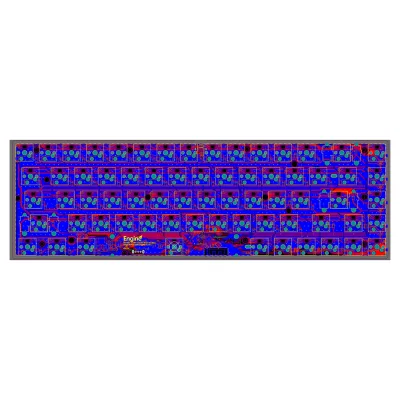
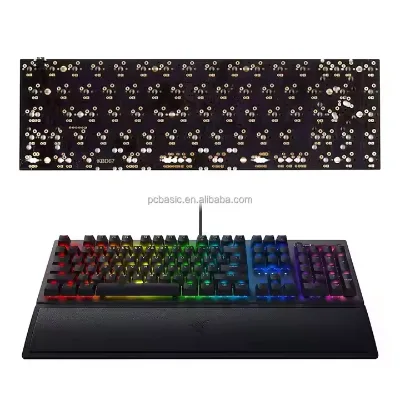


Comprehensive Sourcing Guide
Strategic Sourcing Guide for Hot-Swap Mechanical Keyboard PCBs
Understanding the Core Product Architecture and Technical Specifications
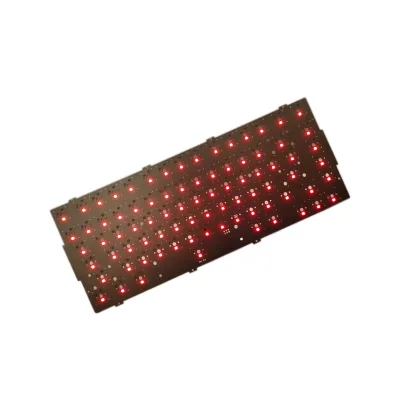
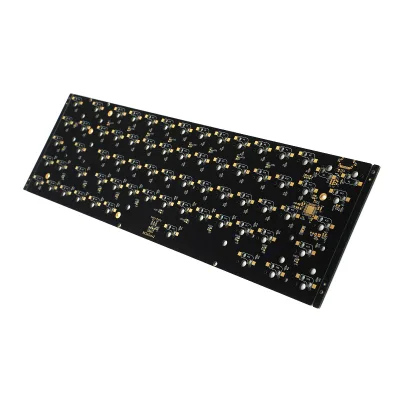
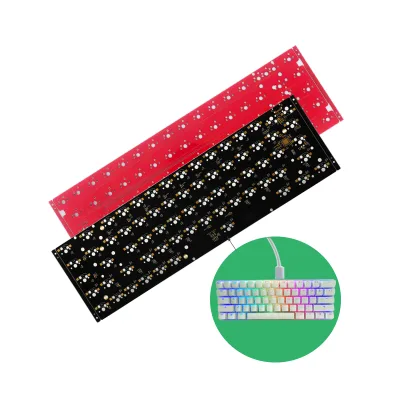
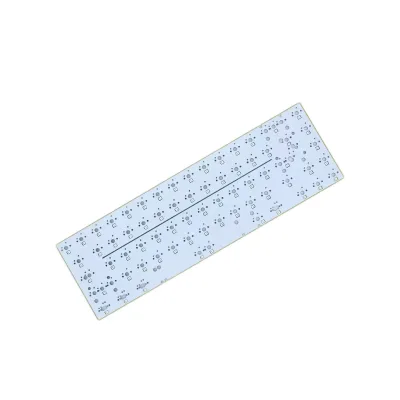
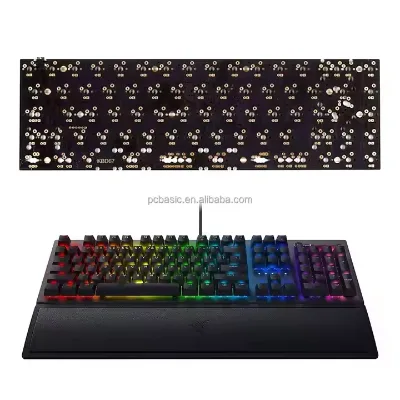
When sourcing a hot-swap mechanical keyboard PCB, buyers must first distinguish between the bare printed circuit board (PCB) and the fully assembled printed circuit board assembly (PCBA). The core keyword "hot-swap" indicates a specific design feature where the mechanical switches can be inserted and removed from the board without soldering. This functionality relies on the integration of hot-swap sockets or pre-soldered switch pads designed for compatibility with standard 3-pin and 5-pin switches. The technical foundation of these boards often involves a copper thickness ranging from 1 oz to 3 oz, with some custom specifications extending up to 4 oz to ensure robust current handling and mechanical stability for the switch sockets.
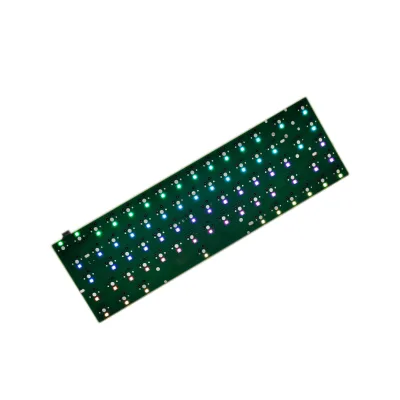
The physical dimensions and layer count are critical variables in the selection process. While many standard designs utilize a 2-layer configuration, custom requirements may necessitate multilayer boards to accommodate complex routing for wireless connectivity or advanced programmability. The board thickness typically varies between 0.2 mm and 6.0 mm, with 1.0 mm being a common standard for consumer electronics applications. The base material is predominantly FR4, a glass-reinforced epoxy laminate that offers a balance of electrical insulation and mechanical strength. Surface finishing options are equally vital for long-term reliability and solderability; common finishes include HASL (Hot Air Solder Leveling), Immersion Gold, Flash Gold, Plated Silver, and OSP (Organic Solderability Preservative). The choice of finish often depends on the specific assembly process and the desired shelf life of the components.
Design Flexibility and Programmability Features
A significant driver for the demand of mechanical keyboard PCBs is the level of programmability and customization they offer. Modern designs frequently support open-source firmware solutions such as QMK and VIA, allowing users to remap keys, create macros, and adjust lighting effects without proprietary software constraints. This programmability is often a key differentiator in the market, moving the product from a simple component to a versatile platform for custom peripherals. The product type is generally categorized under consumer electronics PCBA, serving a niche but highly engaged market of enthusiasts and professionals.
The physical layout of the PCB must align with specific keyboard form factors. Common specifications include 60% and 65% layouts, which are popular for their compact footprint while retaining essential functionality. The model numbers associated with these boards often reflect their specific configuration, such as "60 keyboard pcb" or generic "mechanical keyboard pcb" designations. The single package size for shipping these units can vary significantly based on the inclusion of accessories or protective packaging, with observed dimensions ranging from 20x10x15 cm to 25x15x35 cm. Buyers should verify the exact package dimensions to calculate accurate shipping costs, especially when sourcing from regions like Guangdong or Jiangsu in China.
Cost Drivers and Pricing Dynamics in the Market
The pricing structure for hot-swap mechanical keyboard PCBs is influenced by a complex interplay of material costs, manufacturing complexity, and order volume. The observed price range in the market spans from $0.01 to $45 USD, a wide variance that reflects the difference between bare PCBs and fully assembled PCBA units. A bare PCB with hot-swap sockets will generally be at the lower end of this spectrum, while a PCBA that includes components, firmware flashing, and testing will command a higher price. The minimum order quantity (MOQ) is another critical cost factor, with many suppliers offering an MOQ of just 1 piece to accommodate prototyping needs, while larger production runs may require higher volumes to achieve unit cost efficiencies.
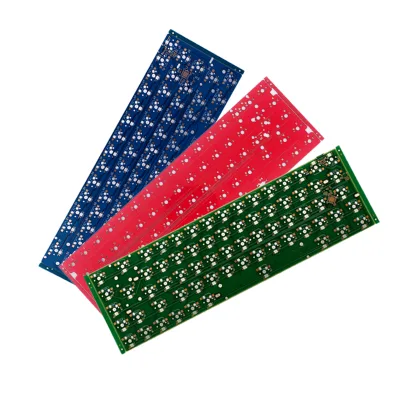
Supply ability is a major determinant of pricing stability. Suppliers with a stated supply ability of 10,000 pieces per week can often offer more competitive rates for bulk orders compared to those with limited capacity. However, buyers must be cautious of suppliers claiming extremely low prices without clear justification, as this may indicate compromises in material quality or manufacturing processes. The cost of customizations, such as specific color requests (Green, Black, Orange, Blue, White) or custom layer counts, will also add to the base price. Additionally, the choice of surface finish and copper thickness directly impacts the final cost, with thicker copper and gold plating generally incurring higher material and processing fees.
Compliance, Certification, and Quality Assurance Protocols
Ensuring that the sourced PCBs meet international safety and quality standards is paramount for B2B procurement. While specific certification names should not be assumed without verification, buyers must request evidence of compliance with relevant industry standards for electronic components. The manufacturing process should include rigorous quality control measures, such as 100% AOI (Automated Optical Inspection) testing, to detect defects in soldering, component placement, and circuit continuity before the product leaves the facility. This testing service is a critical indicator of a supplier's commitment to quality and reduces the risk of field failures.
The origin of the product is another factor in compliance and logistics. Many mechanical keyboard PCBs originate from manufacturing hubs in Guangdong and Jiangsu, China. Buyers should verify the "Place of Origin" to ensure it aligns with their supply chain requirements and to anticipate potential tariffs or shipping delays. The port of dispatch, often Guangzhou or Shenzhen, should be confirmed to calculate accurate freight costs and lead times. Furthermore, the packaging details must be scrutinized to ensure the boards are protected against electrostatic discharge (ESD) and physical damage during transit. Standard packaging often includes vacuum packing for the PCB and ESD packing for the PCBA, both enclosed in carton boxes to maintain integrity.
Supplier Evaluation and Operational Capabilities
Selecting the right supplier requires a thorough evaluation of their operational capabilities and service offerings. A reputable supplier should provide comprehensive design services, including keyboard PCB design and PCBA making, to assist buyers in customizing their products. The ability to offer "one keyboard pcb design" services indicates a level of engineering support that can be invaluable for new product development. Buyers should also assess the supplier's technical expertise regarding the specific requirements of hot-swap boards, such as the compatibility with 3-pin and 5-pin switches and the integration of Type C or wireless connectors.
The brand name associated with the product can serve as a preliminary indicator of market reputation, though it should not be the sole criterion for selection. Suppliers like HighLeap or Enengine may have established track records, but buyers must verify their current production capacity and quality consistency. The minimum line width and minimum hole size are technical specifications that reflect the manufacturer's precision capabilities. Values such as 0.05 mm for line width and 0.15 mm for hole size suggest a high level of manufacturing precision, which is essential for the dense routing required in modern mechanical keyboard PCBs. Buyers should request a detailed capability statement to confirm these specifications before placing an order.
Long-Term Procurement and Application Considerations
The application of hot-swap mechanical keyboard PCBs extends beyond simple typing; they are integral to the creation of high-performance peripherals for gaming, programming, and data entry. The functional application often involves data conversion and signal processing, requiring a stable and reliable electrical interface. The inclusion of RAM or specific operating systems, such as Android 6.0 in some integrated designs, highlights the potential for these boards to serve as more than just passive components. However, buyers must carefully distinguish between the PCB itself and any integrated microcontrollers or processing units that may be part of the PCBA.
Long-term procurement considerations include the availability of replacement parts and the scalability of the supply chain. A supplier with a robust supply ability can support growth, but buyers must also consider the lead times for custom orders. The single gross weight of the product, ranging from 1.0 kg to 5.0 kg depending on the packaging and contents, affects shipping logistics and storage requirements. Additionally, the "Selling Units" being listed as a single item suggests flexibility in ordering, but buyers should negotiate terms for larger volumes to optimize costs. The keywords associated with the product, such as "hot swap swappable pcb" and "65% 68 Key Mechanical Keyboard PCB," should be used to verify that the supplier's inventory matches the specific design requirements of the buyer's project.
Comparative Analysis of Key Product Attributes
To facilitate a clearer decision-making process, the following table summarizes the critical attributes observed in the market for hot-swap mechanical keyboard PCBs. This comparison highlights the variability in specifications and helps buyers identify the parameters that require specific verification during the sourcing process.
| Attribute Category | Common Observation | Verification Requirement |
|---|---|---|
| Copper Thickness | 3 oz, Custom, 1/3OZ - 4Oz | Confirm specific thickness for current handling needs. |
| Board Thickness | 0.2~6mm, 1.0mm | Verify exact thickness for mechanical fitment. |
| Surface Finish | HASL, Immersion Gold, OSP | Select based on solderability and shelf-life requirements. |
| Connector Type | Type C, Wireless | Ensure compatibility with the intended interface. |
| Switch Compatibility | 3-pin, 5-pin | Confirm socket type matches the chosen mechanical switches. |
| Firmware Support | QMK/VIA Supported | Verify firmware availability and update mechanisms. |
| Testing Protocol | 100% AOI Testing | Request test reports to validate quality control. |
| Origin Location | Guangdong, Jiangsu, China | Confirm origin for logistics and compliance purposes. |
In conclusion, sourcing hot-swap mechanical keyboard PCBs requires a meticulous approach that balances technical specifications, cost efficiency, and supplier reliability. By focusing on the verified attributes such as copper thickness, surface finishing, and testing protocols, buyers can mitigate risks and ensure the procurement of high-quality components that meet the demanding standards of the mechanical keyboard market. The flexibility offered by custom designs and the availability of programmable features make these PCBs a valuable asset for any manufacturer looking to enter or expand in the consumer electronics sector.
FAQs
What copper thickness options are available for these PCBs?
Standard options include 3 oz copper, with custom ranges from 1 oz to 4 oz available upon request. Buyers should verify the specific thickness required for their current handling needs before ordering to ensure mechanical stability.
Which surface finishing types can be selected for the board?
Available finishes include HASL, Immersion Gold, Flash Gold, Plated Silver, and OSP. The choice depends on your solderability requirements and desired shelf life for the assembled components.
Can the PCB support QMK and VIA firmware customization?
Yes, the product supports QMK and VIA firmware for remapping keys and creating macros. This programmability allows users to adjust lighting effects without proprietary software constraints.
What switch compatibility does the hot-swap design offer?
The board is designed to support both 3-pin and 5-pin mechanical switches. This compatibility ensures flexibility when selecting switches for your custom keyboard build.
How is the product tested for quality assurance?
All units undergo 100% AOI testing to detect defects in soldering and circuit continuity. This rigorous protocol ensures high reliability before the product leaves the facility.
What is the minimum order quantity for these PCBs?
The minimum order quantity is 1 piece, allowing for prototyping needs. This low entry point supports small batch production or individual custom projects effectively.
Where are these PCBs manufactured and dispatched from?
Products originate from Guangdong and Jiangsu, China, and are dispatched from Guangzhou or Shenzhen ports. Buyers should confirm the specific origin for logistics and compliance purposes.